
What Happens in the Brain During EMDR Therapy?
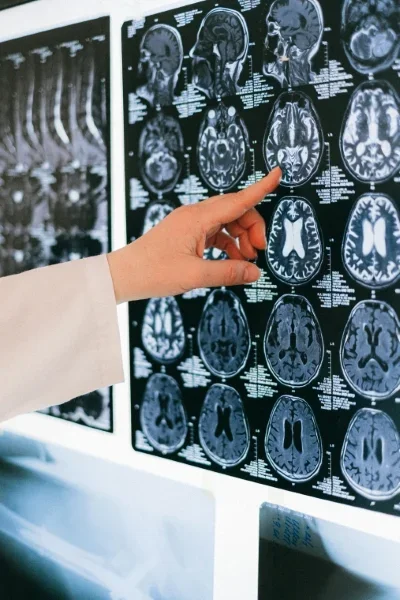
If you’ve ever heard of EMDR therapy, you may be familiar with the concept of bilateral stimulation, commonly side-to-side hand movements used during a session. But you’re also left with a question of how a therapist’s hand movements lead to emotional healing.
It sounds so simple, almost too good to be true. The truth is, what’s happening in your brain during an EMDR session is anything but ordinary. Understanding the neuroscience behind this method can make the treatment feel a lot less mysterious and add a new level of hope.
What is EMDR?
EMDR stands for Eye Movement Desensitization and Reprocessing. It was originally developed as a treatment approach for those suffering from PTSD following a traumatic experience. During therapy sessions, you will be guided through a structured process, recalling a specific distressing memory while engaging in bilateral stimulation, often in the form of side-to-side eye movements. This may also include tapping or auditory cues.
While the process may appear simple on the outside, there is important work going on internally.
The Brain’s Information Processing System
Your brain naturally processes and stores memories from your daily experiences. When you experience trauma, that process can get disrupted. Memories surrounding the event can get stuck, holding on to the original sights, sounds, emotions, and sensations. Instead of being processed healthily, it remains in raw form, causing recurring symptoms until addressed.
EMDR therapy works to remove the blockage and reprocess the memory, so it loses its emotional charge. This method taps into your brain’s natural ability to heal by simulating what happens during your REM sleep cycle, where memories are typically processed.
Three key regions of the brain are actively involved in this process:
The amygdala: Your brain’s built-in alarm system that triggers a stress response when a threat is perceived
The hippocampus: This area helps convert memories and control emotional regulation
The prefrontal cortex: This area is responsible for rational thinking, decision-making, and emotional regulation
When trauma occurs, your amygdala becomes overactive while the hippocampus and prefrontal cortex struggle to keep up. EMDR will help bring these areas into a better balance.
The Role of Bilateral Stimulation
Bilateral stimulation works similarly to what happens during REM sleep. During REM cycles, your eyes move rapidly back and forth while the brain consolidates memories, softening their emotional charge.
EMDR appears to tap into that same mechanism. A therapist guides your eye movements side to side so your brain can begin processing the experience you have selected to target. This process won’t eliminate the memory, but it will help relieve the panic, shame, or other negative emotions tied to it. In the future, you should be able to recall the memory without being completely triggered.
Healing That Goes Deeper Than Words
One of the more desirable aspects of EMDR is that it does not require you to talk through your experience in full detail, reliving the experience all over again. Traditional talk therapies are valuable and play an important role in healing. Some trauma, however, may be stored within the body and deeper parts of the brain that talking can’t fully access. EMDR bypasses the need to find the right words and works directly with how the memory is being stored neurologically.
Over the course of treatment, you should notice a shift not just in how you think about the past event, but also how you feel in your physical body. That feeling of hypervigilance should soften, and the intrusive memories should fade in intensity. You’re reconnecting to a sense of safety.
Is EMDR Right for You?
EMDR has shown benefits beyond only PTSD, including use with anxiety, grief, attachment wounds, phobias, and much more. Whether you’re carrying the weight of a past trauma or years of chronic stress, EMDR therapy may offer a healthy path forward.
If you’re ready to work through what’s been holding you back, reach out to learn more about EMDR.