
How Brainspotting Supports Healing And What to Expect
Have you reached a point in your healing journey where you feel stuck? You have been consistently open about your struggles. You understand where they come from and the underlying root causes. Yet, something keeps holding you back from making further progress.
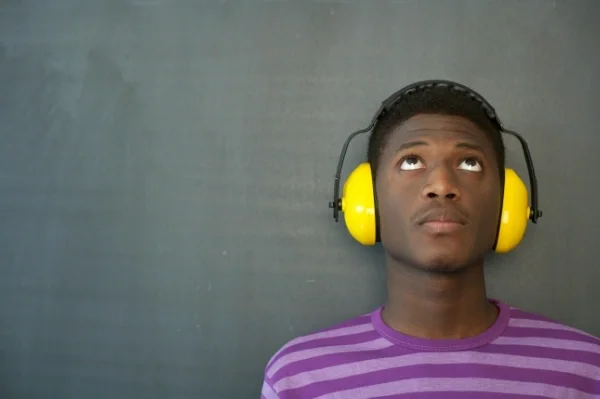
Sometimes, traditional talk therapy can only go so far in helping process trauma. The mind may need a different approach to work through the emotional pain. This is where brainspotting comes in.
Brainspotting is a powerful, body-based approach that harnesses your brain’s natural healing abilities. By incorporating specific eye positions, you can process traumatic memories and painful emotions that have been stuck deep in the nervous system.
What is Brainspotting?
Brainspotting is a therapeutic method developed in the early 2000s after a therapist noticed that where a person looks can directly affect how they feel. Holding certain eye positions correlated with different responses. Using targeted eye positions allowed the brain to process whatever had been stuck after the trauma.
At its core, Brainspotting holds the belief that emotional distress lives in your thoughts as well as your body in places conscious thought can’t always reach. Brainspotting opens up a direct line of communication to those stored areas.
What Can Brainspotting Help With?
Brainspotting can be beneficial for a wide range of struggles, including:
Trauma and PTSD
Anxiety and panic attacks
Depression
Grief and loss
Relationship challenges
Chronic pain and physical ailments
Performance anxiety
Phobias and fears
Since it works on a neurological level, Brainspotting can be useful with experiences that other forms of treatment have been unable to resolve. Many people who have put in the time and done the work but still can’t overcome certain symptoms have found Brainspotting beneficial for their needs.
What to Expect in a Brainspotting Session
If you have never tried Brainspotting before, you may be looking at unfamiliar territory. It’s natural to have questions about what these sessions could look like. Here’s a general idea of what you could expect.
Setting the Stage
Your therapist will begin by helping you identify what it is you want to work on, whether it is a specific memory, a feeling that keeps resurfacing at inconvenient times, or a physical sensation in your body. You will be asked to rate its intensity and note where you feel this in your body.

Finding the Brainspot
Your therapist will slowly move a target across your visual field while you follow it with your eyes. You’ll want to notice any shifts in your body, blinking, eye twitches, or emotional changes that may signal you’ve found the right spot. This sweet spot will be your brainspot.
Processing and Healing
Once your brainspot is identified, you will hold your gaze there while you work through whatever comes up. Even if there is minimal exterior movement, your brain is doing important internal work. You would be surprised what comes up during this time.
Many therapists will use bilateral sound, soft music that alternates between the ears, to enhance the processing work that is occurring. It may be subtle, but it can also help promote a calm and focused state.
Is Brainspotting Right for You
Brainspotting is gentle and client-driven. You don’t have to talk through every detail about a past painful experience. Since it works with your body’s own healing mechanisms, it can feel less overwhelming.
As with any other method, healing on this journey isn’t linear. Some sessions may bring relief immediately, while others stir up more emotions that need additional processing. No matter what your course of treatment looks like, your therapist will be there to guide you every step of the way.
If you have been carrying pain that has been difficult to heal, Brainspotting Therapy may be the next step for you. Contact us today to learn more and schedule your first session.