
A Parent’s Guide to Understanding Play Therapy
You know your child is struggling. They have been acting out more than usual. There are more meltdowns and more calls from their teachers. You notice more withdrawn silences at home. You try to talk to them, but are often met with a simple “I don’t know” that gets you nowhere fast.
The truth is, your child probably does want to open up. They just don’t have the tools to put their feelings into words. Play therapy was designed for this exact scenario.
What is Play Therapy?
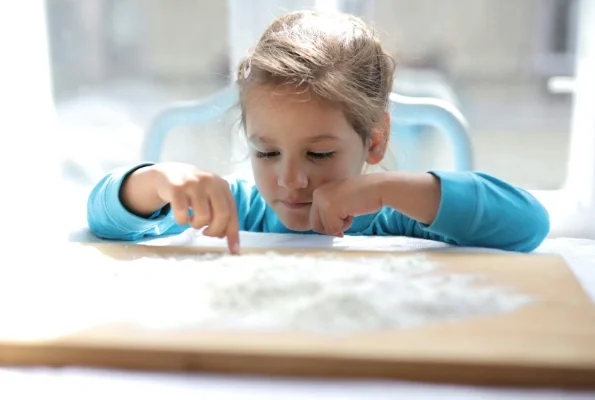
Play therapy is a form of counseling designed specifically for children. If you think of your child sitting across from a therapist and talking about their feelings, you probably realize real quickly how ineffective that sounds.
Play therapy meets children right where they’re at. Play is your child’s first language. Through toys, art, imaginative activities, and even sandtrays, children know how to communicate things they can’t express in words.
A trained play therapist will observe any patterns of behavior or themes that emerge during their sessions. They engage with your child to help process difficult emotions, shift unhelpful and negative thought patterns, and build self-confidence. While it may look like they are just playing with toys, it’s a carefully supported therapeutic process.
Who Benefits from Play Therapy?
Play therapy can be helpful with a variety of challenges:
Anxiety and excessive worrying
Trauma or abuse
Grief and loss
Behavioral problems
Divorce or other major family transitions
Social struggles or difficulty engaging with peers
Low self-esteem or identity challenges
If your child has been through a challenging experience or if disruptions in their behavior are impacting their home and school life, play therapy can be an important way to expand their support network.
What to Expect as a Parent
The main question most parents have is “What is my role in this?” Your part in this whole process is a big one. Your child’s therapist isn’t the only player creating change. You two are a team, sharing the same goal of helping your child thrive in their environment.
A typical play session runs about 35 to 40 minutes. At the end of each session, your therapist will check in with you for 10 to 15 minutes to make sure you remain in alignment, track progress, and compare notes between what you’re seeing in the session versus at home. Since you know your child best, your daily observations are invaluable to the bigger picture.
Consistency matters. The more regularly your child attends their sessions, the better the relationship and the more effective the outcomes. If you’re finding scheduling to be challenging, bring up those concerns so you can establish a rhythm that works best for everyone involved. There is flexibility to achieve success.
Reaching Out is a Sign of Love
Seeking help for your child does not mean you have failed as a parent. It’s quite the opposite. Asking questions, looking for answers, exploring available options and resources, and showing up for your child is the most profound act of love. Parenting is a hard job, even in perfect circumstances. When your child is carrying something heavy, it makes it that much harder.
Thankfully, children are resilient, much more than adults. With the right tools and support, they can make long-lasting changes that carry over to their behaviors, attitudes, relationships, and overall sense of self. You do not have to figure these challenges out on your own. Help is available.
If you are wondering whether play therapy might be the right fit for your child, reaching out is the first step. Play therapy can give your child a safe, supportive space where healing is possible. Contact us today to schedule a free consultation.